
By Lois Romano
As I began work on my biography of Mary Lincoln five years ago, the vast collections at the Abraham Lincoln Presidential Library quickly pushed me beyond the familiar Mary tropes of a “crazy,” spendthrift, burdensome wife. Instead, a far more complex portrait of Mary emerged: a woman constrained by her era, enduring profound tragedy and a deadly war, yet supporting her husband, ministering to injured soldiers, and showing resilience.
The library’s personal correspondence collections were invaluable. The letters about Mary from family, political rivals, and friends are woven throughout the many archives and show how she was judged, defended, or misunderstood through others' eyes, which adds to the challenge of telling her story. She was a grieving mother, a politically engaged partner, and a woman aware of the scrutiny enveloping her.
The voluminous correspondence written by Mary’s oldest son, Robert Todd Lincoln, and Lincoln’s friend David Davis is especially compelling. They demonstrate that negative narratives about Mary were shaped not only by her missteps but by gender expectations, jealousy, and personal animosity. They also reflect the intense political and social pressures of the Civil War White House, where Mary was often cast as a convenient scapegoat for gossip and blame.
 Robert Todd Lincoln and David Davis, around 1875-80.
Davis wrote with exasperation about Mary’s ambition, her circle of associates, and her spending. When the Lincolns were in the White House, Davis bitterly complained to his wife about what he perceived to be unsavory guests Mary was inviting to salons. After Lincoln’s death, Davis received and wrote letters concerning Mary’s financial situation and public reputation. The collection is also interesting for what it doesn’t show: little effort on Davis’s part to help her find a suitable home or to free up money from Lincoln’s estate, of which he was executor, to make her life more comfortable.
The 20,000 pages of the Robert Lincoln collection offer a more intimate, if painful, perspective. At times, he was protective, but more often than not, he was frustrated, embarrassed, and critical. Mary adored her son, yet it is difficult to find warmth in his written words about her — a heartbreaking absence. I found his obsession with both her shopping and her interactions with spiritualists almost irrational. In one letter, he took the time to bitterly complain to Davis, a sitting Supreme Court Justice, that his mother wanted to buy a new bonnet when she already owned many. He viewed this as further evidence of her insanity.
Robert’s correspondence also shows that, at times, he is much more fixated on his own reputation than on his mother’s well-being. In one letter, after he engineered his mother’s commitment to a sanitarium, he asks former White House secretary John Hay to write a newspaper article praising the institution's conditions, because he was being criticized for confining her. His correspondence helps explain – but not condone – his decision to have her committed while also illuminating Mary’s profound isolation after the deaths of her husband and sons. Had Robert taken the time to understand that shopping and spiritualism were filling a void in her life, he might have saved himself the trouble of committing her.
The most valuable collection at the library is the hundreds of letters Mary wrote to others. A prolific writer, she freely expressed her joy, fear, insights, and grief to friends and family. In one 1840 letter to a young friend, we get a glimpse of an ebullient Mary at 21. During a visit to an uncle in Missouri, she bubbles about getting the attention of the grandson of Patrick Henry. “What an honor!” she effuses, but admits she wasn’t interested in the young man. By then, she had met the love of her life.
 A Mary Lincoln letter written across the page and then up and down the page, which some writers of the era did to save paper.
In another letter, written while Lincoln was serving in Congress, she complains about her dreaded stepmother, Betsy, with whom she was staying in Lexington. She tells her husband that her young sons brought a stray kitten into their mansion and that Betsy “in a very unfeeling manner” demanded a servant toss the cat out, which threw toddler Eddy into a tantrum. The series of warm, loving letters between Mary and Lincoln during this period upends endless narratives claiming Lincoln never loved her.
Sadly, after Lincoln’s death, her letters also reveal her mania, profound loneliness, and worries over money. The ALPLM also holds special artifacts, such as a heart-shaped diamond necklace/brooch that she often wore. It is believed to be a gift from President Lincoln and sheds light on their relationship, which Lincoln’s friends often denigrated and misconstrued.
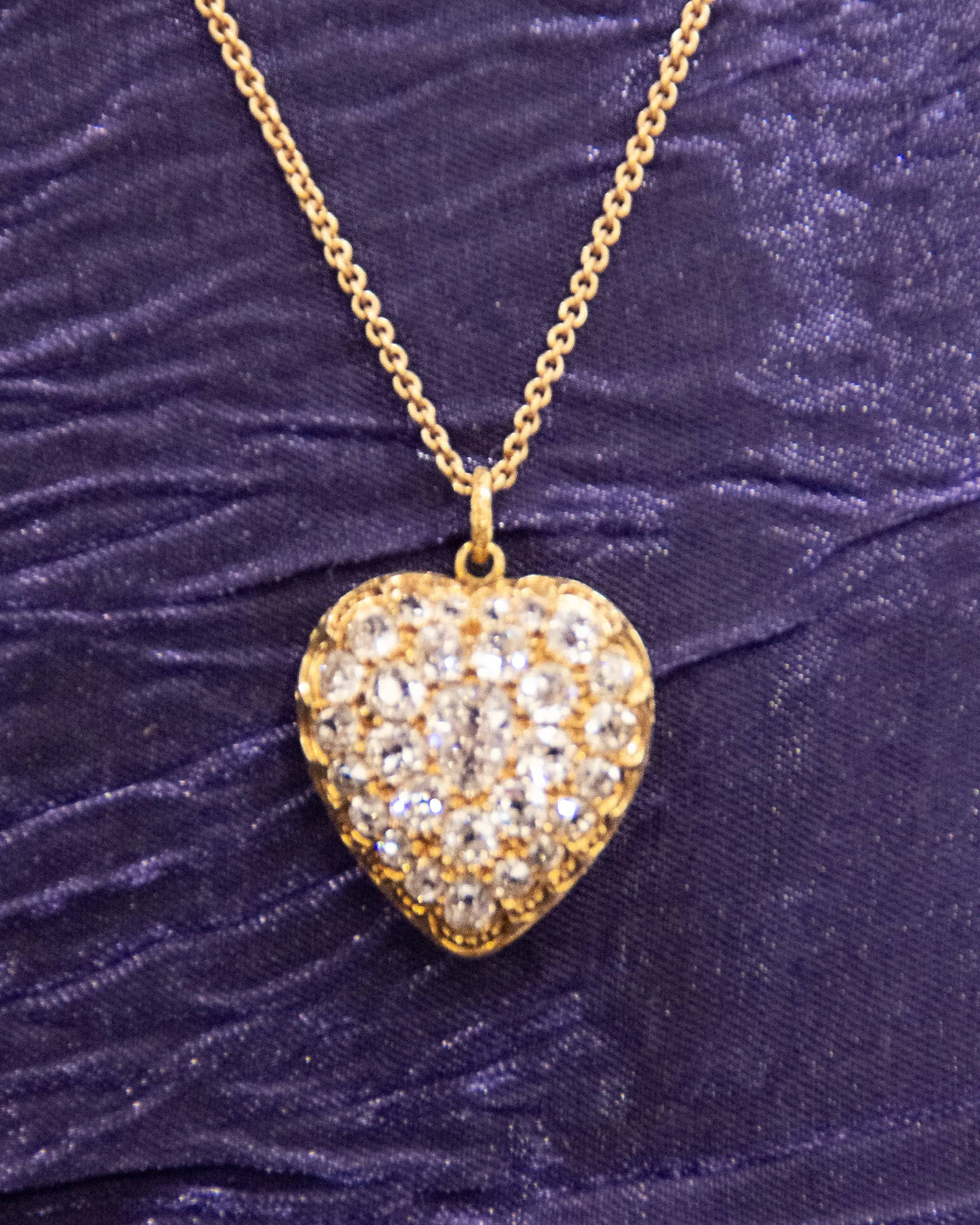 A diamond necklace that belonged to Mary Lincoln.
Researching a figure as misunderstood as Mary Lincoln makes clear that truth rarely lives in the most familiar accounts. It is found instead in obscure letters, overlooked archives, and dusty pamphlets — materials preserved by those who understand that history. History is not just written — it is preserved, protected, and made accessible by extraordinary people. At the Abraham Lincoln Presidential Library and Museum, the historians, archivists, and preservationists are among the very best. Scholars like manuscripts manager Christopher Schnell, acquisitions director Ian Hunt, and former Lincoln historian Christian McWhirter.
Their deep knowledge of the collections, combined with a genuine commitment to scholarship, made an immeasurable difference in my work. They not only guided me to critical materials—from letters and manuscripts to lesser-known documents—but also helped provide the context that brings those materials to life. Their expertise ensured that I wasn’t just gathering facts but understanding them within the broader landscape of Lincoln-era history.
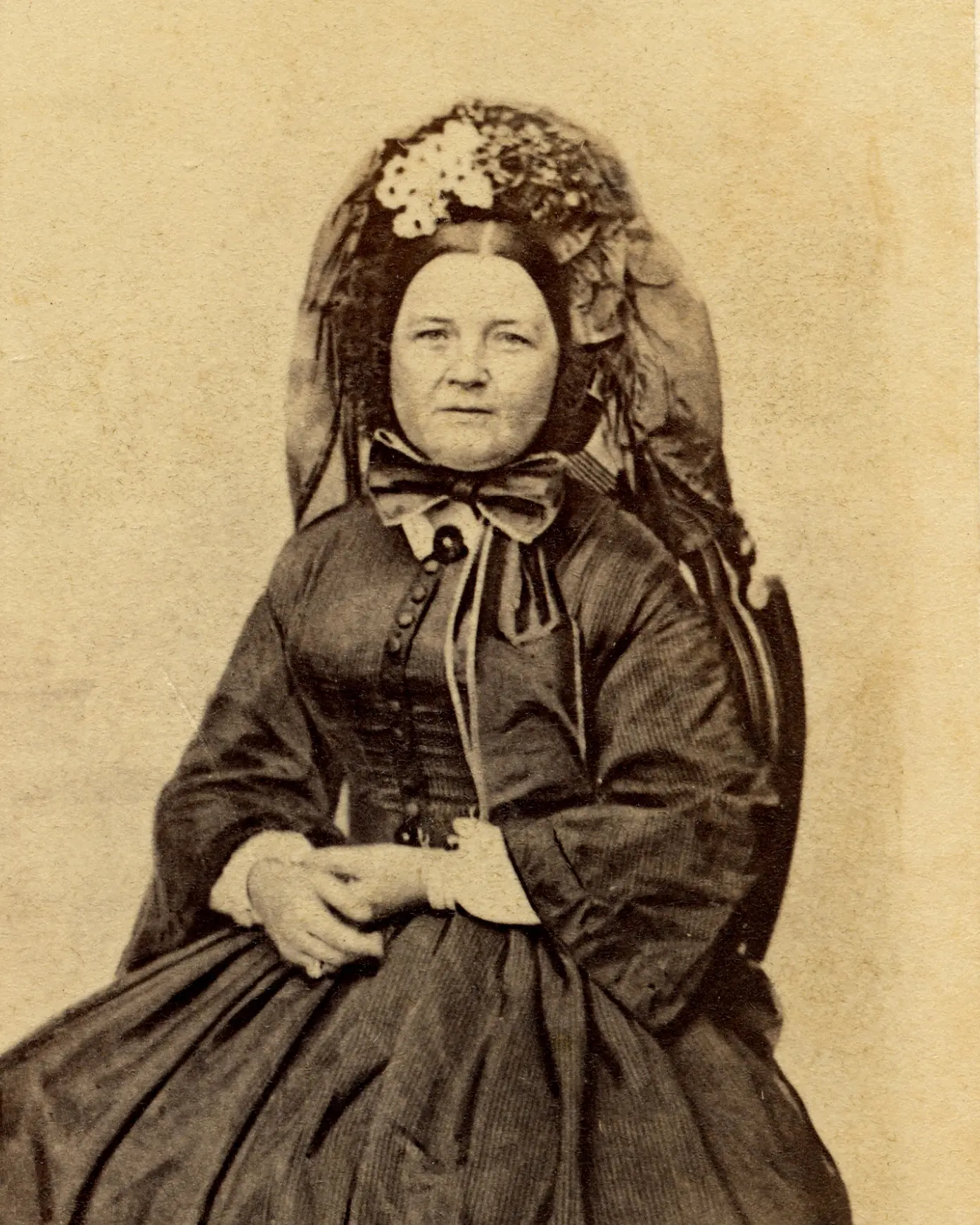 Mary Lincoln in the mourning clothes she wore after her husband’s assassination.
These resources helped me restore Mary holistically, not a caricature who sometimes acted inappropriately, but a woman navigating loss, power, and judgment in real time. That is what makes the library indispensable — and why returning to these original materials can fundamentally reshape our understanding of her.
Mary Lincoln letter written criss-cross
×
Lincoln and Davis
×
A heart-shaped diamond necklace owned by Mary Lincoln
×
Mary Lincoln in mourning clothes
×