By Scot Loyd, Ph.D.
December 16 marks another anniversary of The Second City opening its doors in 1959. It’s a good opportunity to reflect on how deeply Chicago has shaped the American comedy landscape. What began as a small cabaret theater created by Bernie Sahlins, Paul Sills, and Howard Alk grew into the training ground for some of the most influential voices in entertainment. From the beginning, Second City believed comedy could tell the truth about the world, hold up a mirror to society, and offer relief through laughter. That belief has carried through generations of performers, writers, directors, and producers who understood that the stage is not only a place for humor, but a space for thinking, questioning, and imagining something new.
Today, The Second City stands as one of Illinois’ great cultural institutions. It continues to shape live sketch comedy, improvisation, leadership training, corporate creativity, and even behavioral science. As part of the Illinois Celebrities and Entertainers Oral Histories Collection at the Abraham Lincoln Presidential Library and Museum, I have had the privilege of interviewing leaders whose work helped build and expand The Second City’s creative legacy. Their voices offer firsthand insight into the institution’s history, evolution, and influence, and I invite you to listen to them here.
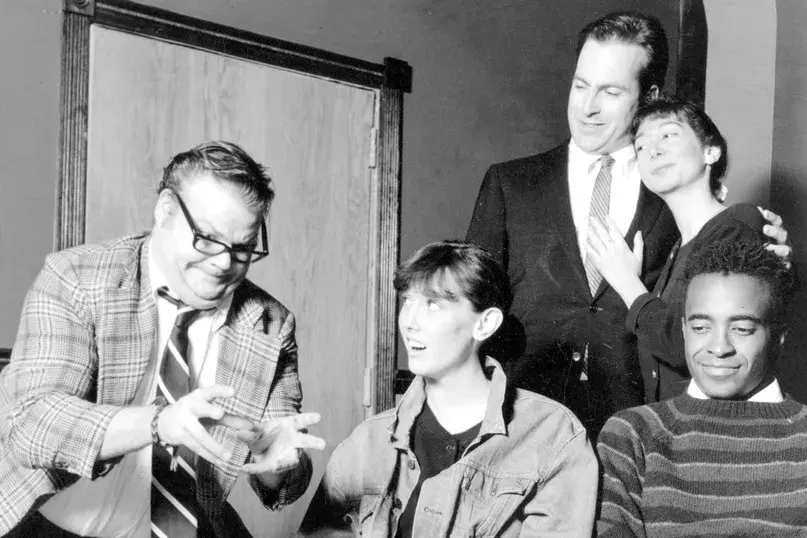 Chris Farley, Bob Odenkirk and Tim Meadows, along with Jill Talley and Holly Wortell. (Photo courtesy of The Second City.)
Kelly Leonard
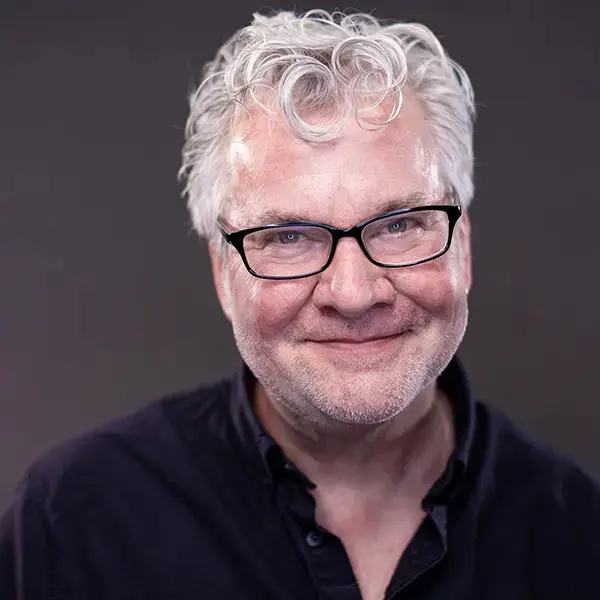
My interview with Kelly Leonard took place on the iconic Second City Mainstage as the kitchen prepared for the night’s show. Leonard began his journey with The Second City in 1988, became a producer in 1992, and later served as executive vice president until 2015. He currently serves as the VP of creativity, innovation, and business development. During his tenure, he produced hundreds of original revues that showcased performers who later became cultural staples. Stephen Colbert, Tina Fey, Keegan-Michael Key, Seth Meyers, and Amy Poehler all passed through shows he helped bring to life.
Leonard’s reflections capture the heart of what makes The Second City unique. As he put it, “Second City never set out to create stars. We set out to create a space where people could take creative risks and not get punished for it.” He also noted that “Improvisation is not the art of making things up. It is the art of paying attention,” a line that seems to sum up not only the creative process but the ethos of collaboration that shaped the theater’s history.
Leonard is the author of Yes, And, a book praised by Vanity Fair and The Washington Post for its exploration of improvisation as a method for creativity, leadership, and communication. His current work with the University of Chicago Booth School extends this philosophy into behavioral science, showing how improv tools translate far beyond the stage. “The work we do now with behavioral science is built on the same foundation we built shows on thirty years ago. Curiosity, humility, and collaboration,” he explained. His ongoing podcast, Getting to Yes, And, continues that mission.
Jen Ellison
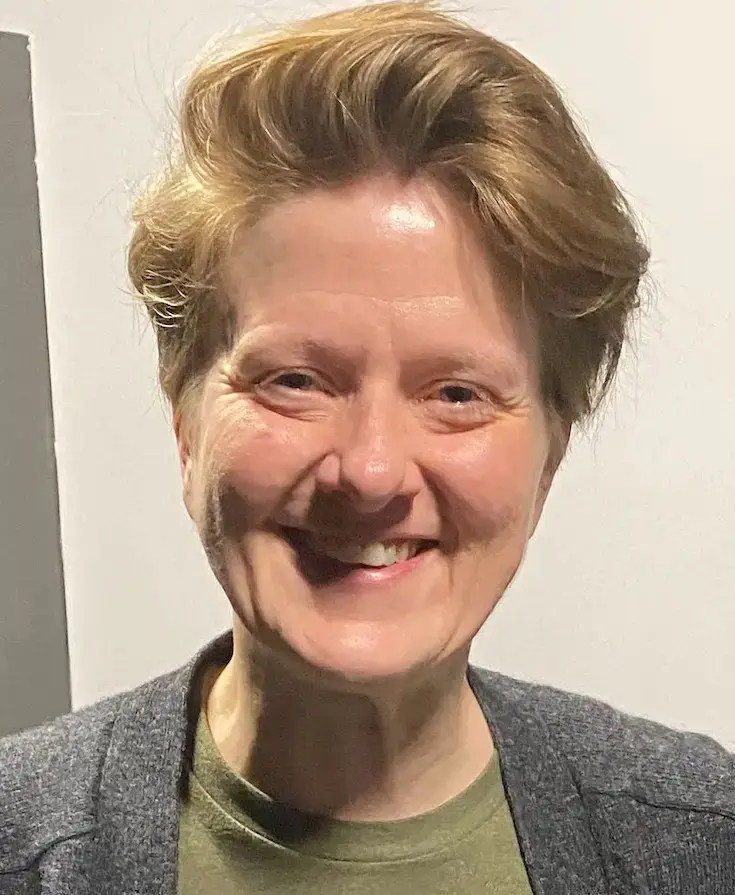
Another key voice in the collection is Jen Ellison, vice president of creative at The Second City. Ellison is a Chicago-based writer, director, performer, and educator whose work spans both theater and comedy. She has shaped productions for all three Second City touring companies and played a major role in its outreach and diversity program. She has also directed resident stage shows such as Apes of Wrath and Do the Right Thing, No Worries, If Not. “I love to collaborate,” Ellison said. “I have a pretty fierce artistic vision about things, but I also know that fierce art vision needs to intersect with other people.”
Beyond Second City, Ellison’s influence reaches through Chicago’s artistic landscape. Her directing credits include work with Collaboration, Trap Door Theatre, and The Neo-Futurists, where she serves as an artistic associate. She is also a respected instructor at DePaul University and Columbia College Chicago. Her interview highlights the discipline behind comedic craft and the responsibility artists carry when stepping into a space that has launched so many careers.
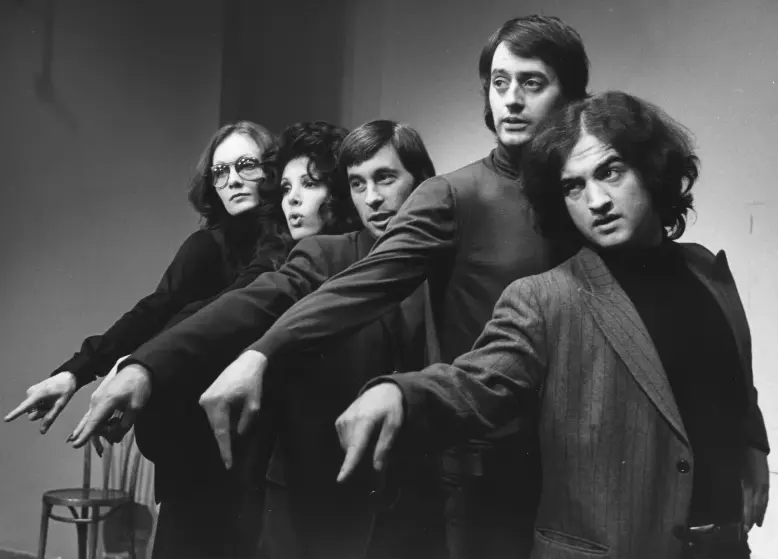 John Belushi and Joe Flaherty, along with Judy Morgan, Eugenie Ross-Leming and Jim Fisher. (Photo courtesy of The Second City.)
Claudia Wallace
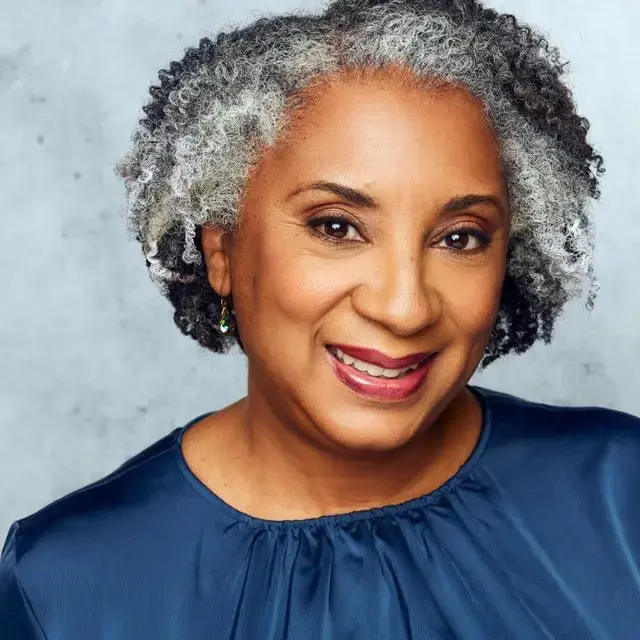
The collection also includes my interview with Claudia Wallace, casting director for Second City’s resident stages and touring companies. With more than twenty years of experience, Wallace brings a rare perspective shaped by both performance and leadership. She toured with Second City, performed on the Chicago Mainstage, and has worked as an actress, facilitator, and mentor to new generations of comedic talent.
Her interview centers on how casting shapes comedic culture. She spoke about helping performers find their voice, recognizing what makes an improviser shine, and guiding the artistic direction of a company that has always valued truth-telling, creativity, and shared courage. “First and foremost, be the type of person people want to work with. What you’ll find sometimes is difficult people can be very talented but their opportunities become limited because nobody wants to work with them,” was her advice to young performers.
Preserving the Legacy
These interviews are part of the ongoing effort at the Abraham Lincoln Presidential Library and Museum to document Illinois’ creative giants. More interviews are currently being processed, including a conversation with Anne Libera, whose leadership in comedy education continues to shape the field. Her latest book, Funnier, explores how humor can be taught, understood, and applied across creative disciplines.
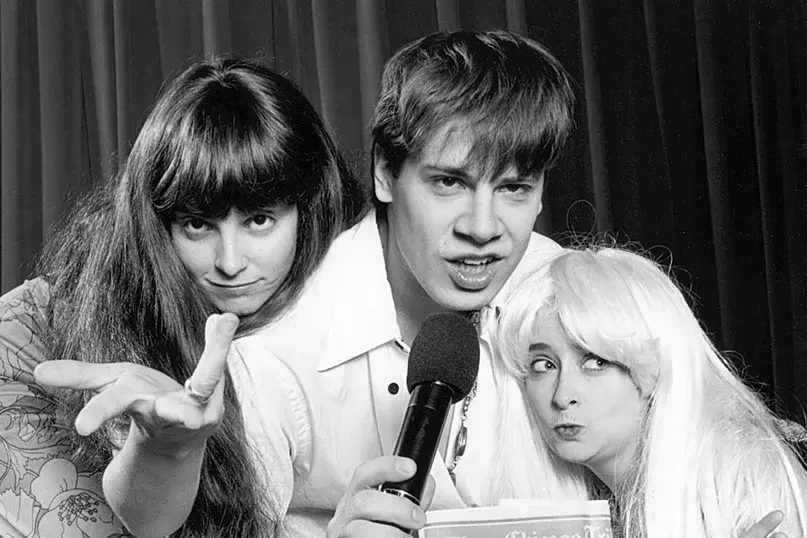 Tina Fey, Scott Allman and Rachel Dratch in 1996. (Photo courtesy of The Second City.)
Second City’s anniversary offers a moment to reflect on how far this institution has come and how deeply it continues to influence the world. By preserving these conversations, we honor not only the history of comedy but also the people whose dedication, imagination, and hard work shaped a Chicago institution that still inspires millions.
As we celebrate December 16, we invite audiences, researchers, and fans to explore the collection and hear these stories in the artists’ own words. Improv as we know it today was born here.
Loyd is director of the ALPLM’s Oral History Program.